Tonight, Nonni and Elsa took us on a drive after supper. I was so exhausted from having (a) mended fences and (b) pushed a lawnmower over half the country this afternoon, but I can’t say no to a night drive. Especially when the hills are dotted with ancient stone foundations from the years of sheep farming on Dýrafjörður (my fjord).
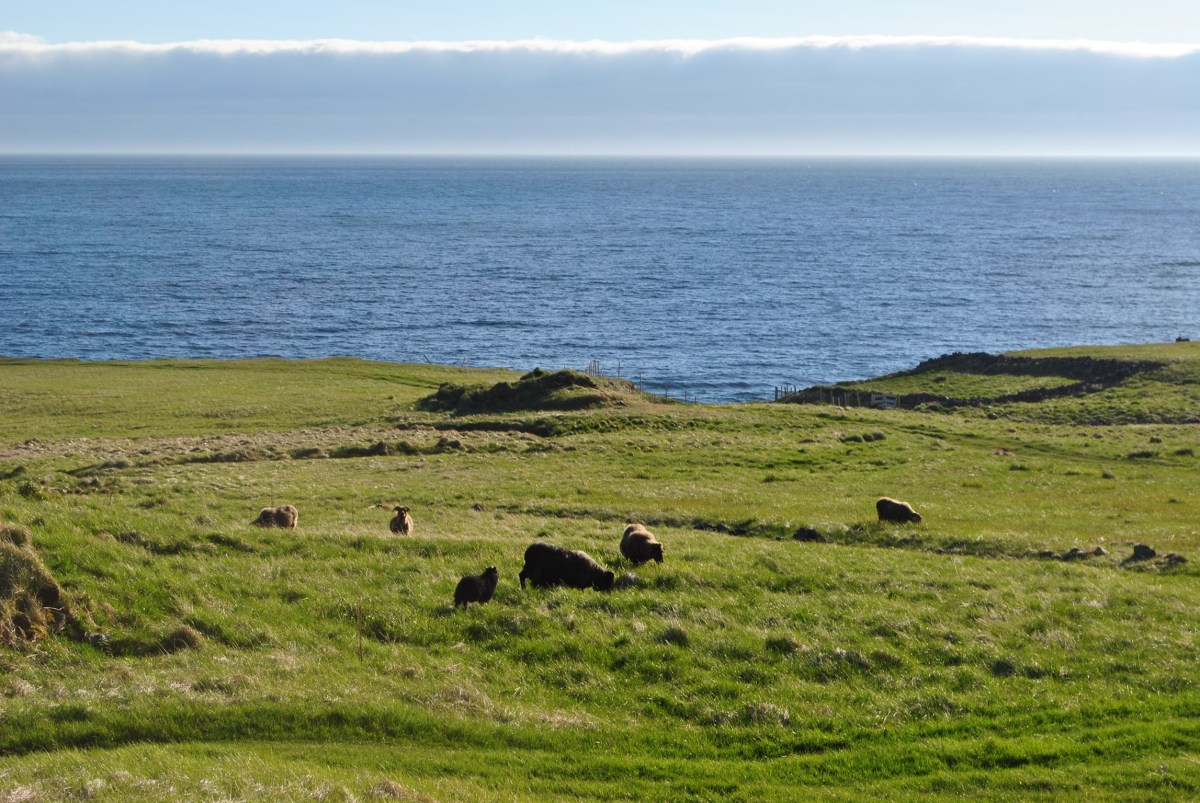
We drove about 13 kilometers up the road to an unpaved drive which ran along the cliff top by the sea. The 8pm sun glared at us from Greenland, which Nonni says you can see if the day is clear enough (I’m not sure if he was serious, though). Then suddenly, we rounded a curve into a large field by the sea, at the base of a really spectacular mountain. An abandoned house sagged to our right, and to our left ewes and their lambs grazed along the cliff tops.
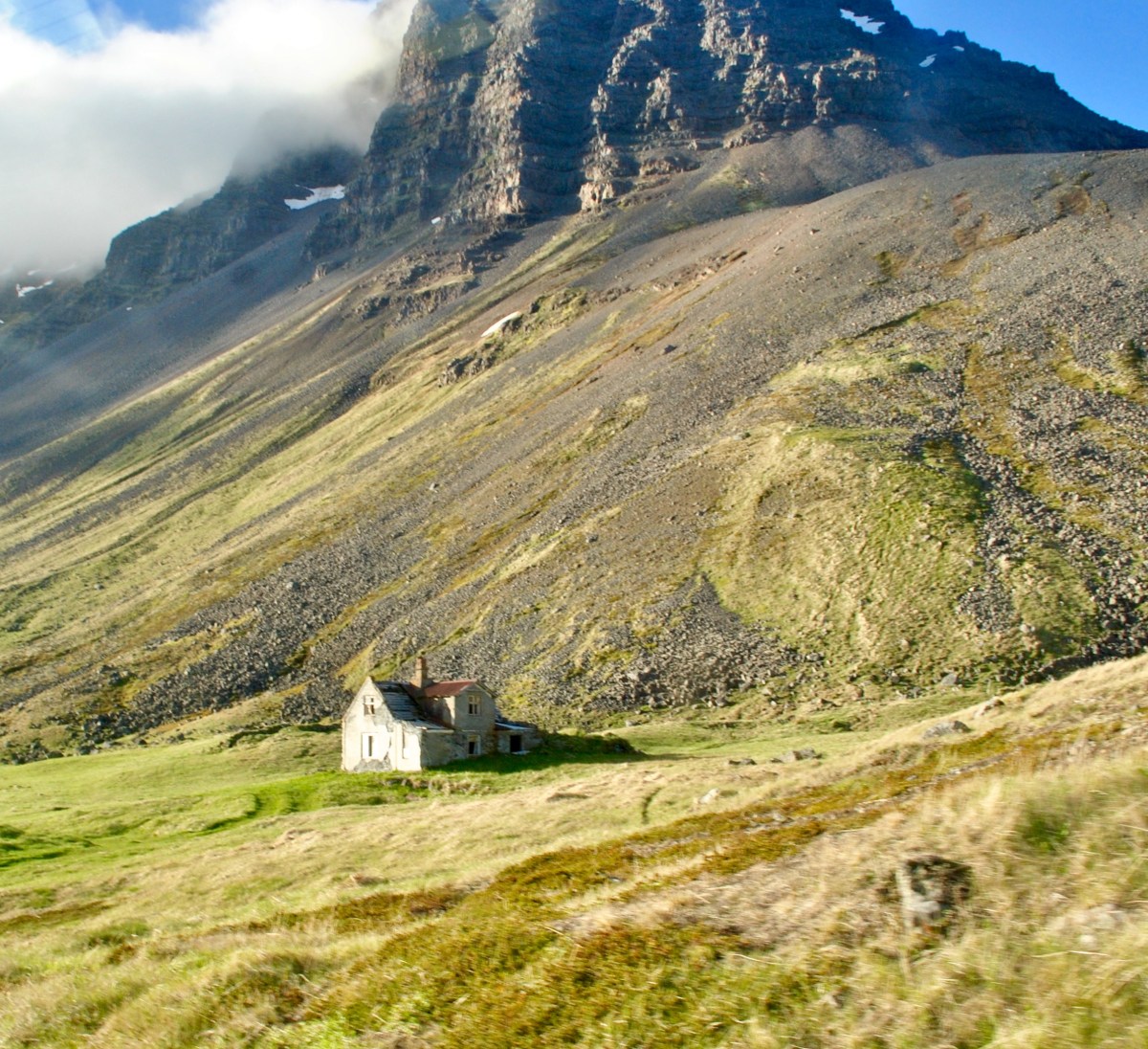
“Nonni and his father used to visit the lady who lived here, when Nonni was a little boy,” Elsa told us. “They would come have coffee.”
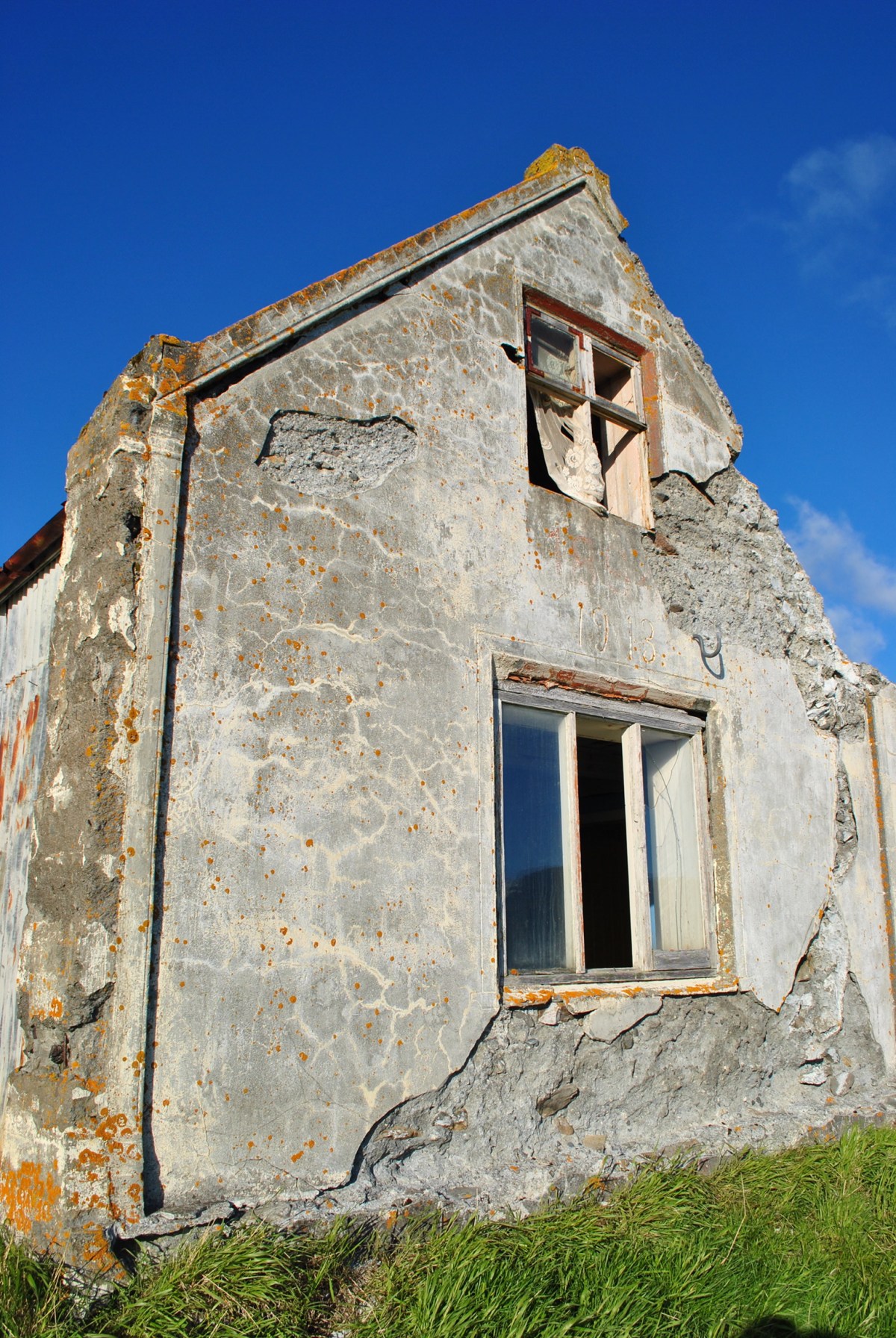
After we explored the rocky seaside, I asked Nonni to pull over by the house on our way back so I could explore. Elsa told the story of the house:
“The lady who used to live here was born and grew up in this house. She married a sea captain, and moved to Reykjavik. But she always wanted to come back to her childhood home, so her husband told her, ‘when I retire, we can move back.’”
“Years later, he retired. But even then, the company wanted him to go out a final time on the sea. So he went out, and he never came home. He drowned at sea.
“The lady moved back here and spent the rest of her life in this house. When she died, she gave everything she owned and all her money to a church in Reykjavik.”
The house is falling apart now, but it was haunting to watch Nonni walk through it and remember when it was lived in and loved.
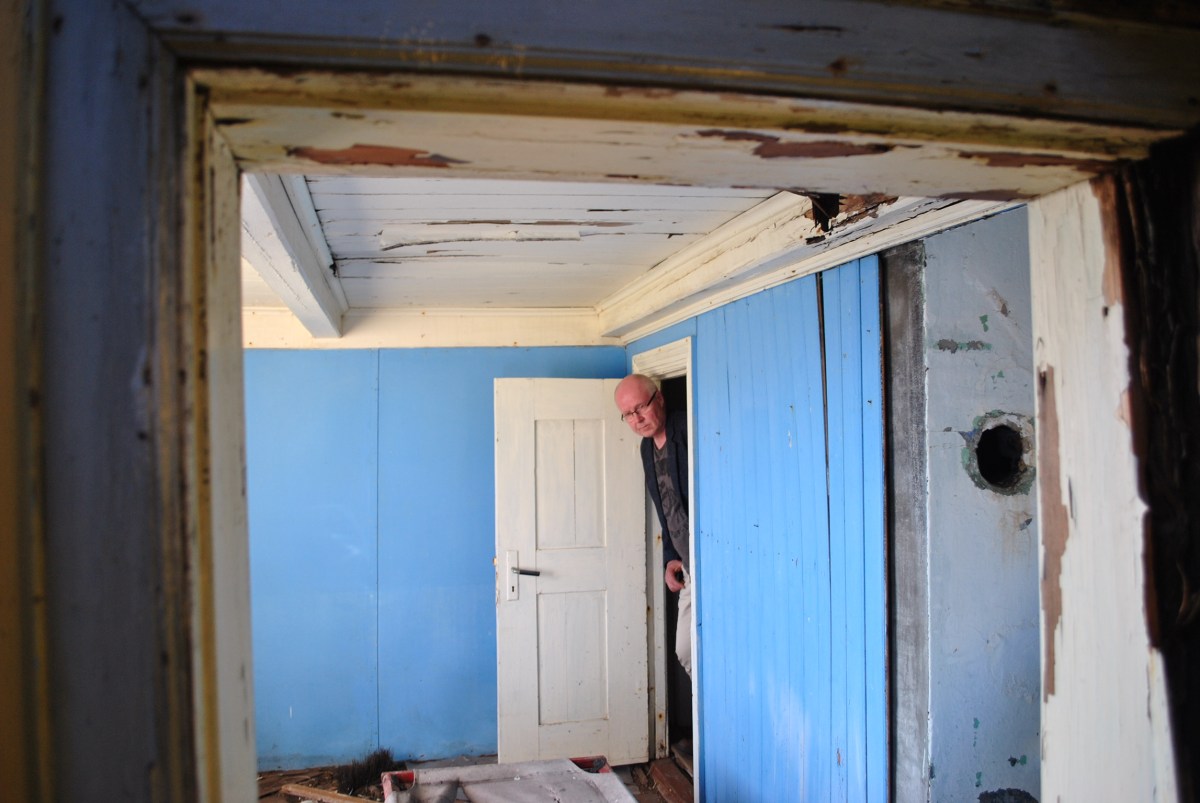
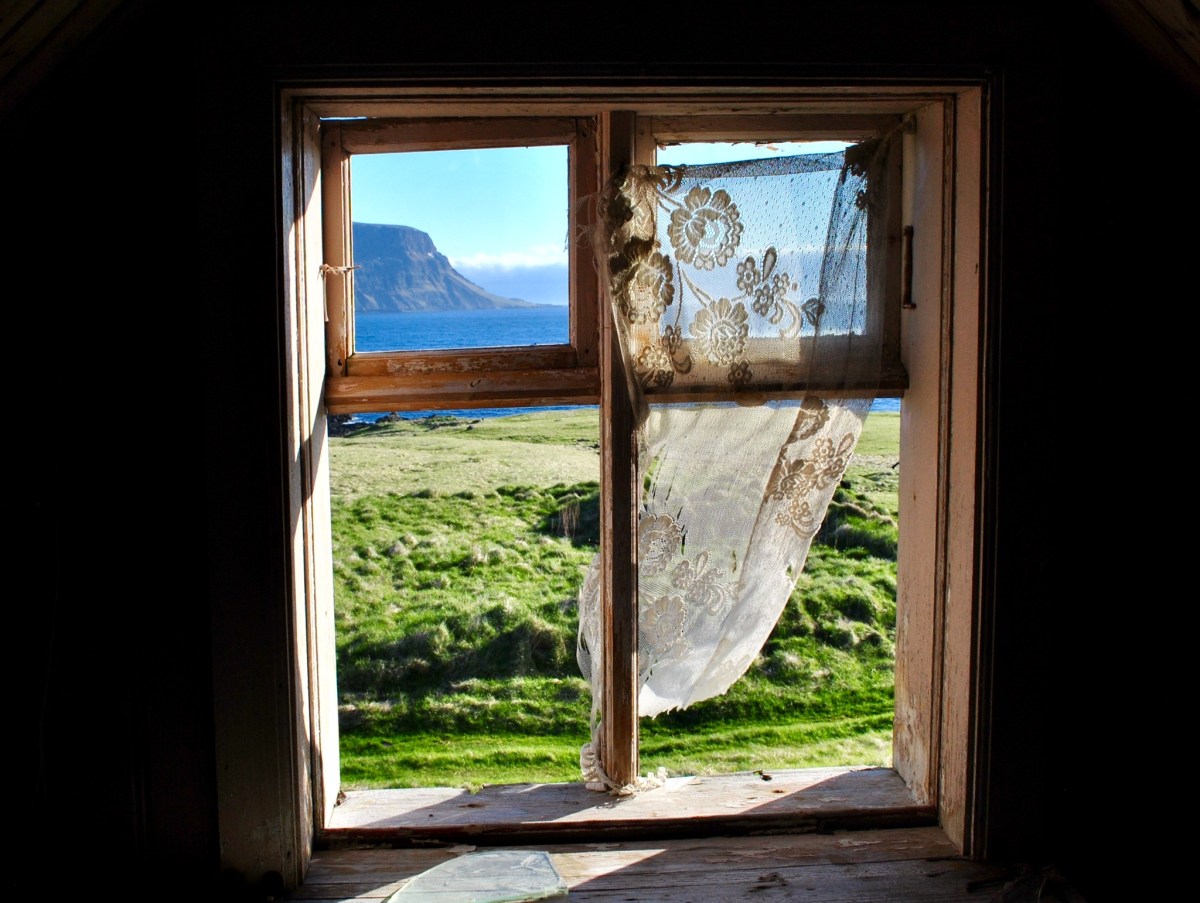
There are so many old places like that around here. In most of the sheep fields, stone foundations of ancient barns and houses lie overgrown with loamy moss and grass. Nonni will point them out, saying, “look, there. Err old Iceland house.”
None of these ruins are particularly striking, like the ancient castles that loom in the Scottish Highlands or German countryside. What the Vikings lacked in architectural skill, they more than compensated for with their talent for kidnapping and pillaging (among other unmentionable atrocities). Or perhaps they were too busy out drinking mead and chopping heads off to ever spend much time refining their houses.
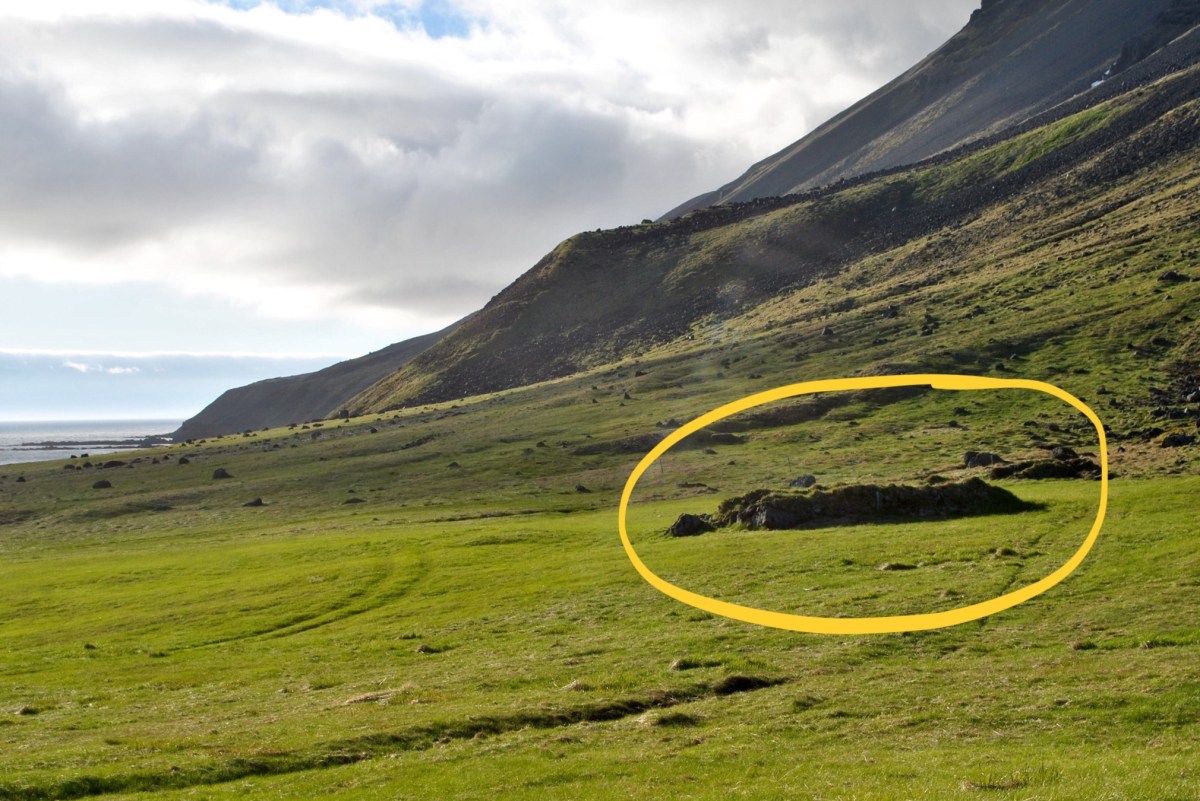
Today while mending fences Nonni and I passed the remains of one such house. “Nonni,” I said. “Is that a Viking house?”
He looked. A stone wall ran a few feet from the barely discernible foundation. “That is old ship [sheep] house. Long time ago, woman and children bring ship there. They milked ship.” (I have tried telling him it’s shEEp, not ship. But I don’t think he understands.)
“Were they Vikings?” I asked.
“I don’t know, maybe not that old.”
“So 500 years?”
“Probably more old.”
“Let’s just say it was a Viking house.”
He laughed and nodded, so now it’s agreed: I live next to Viking ruins.
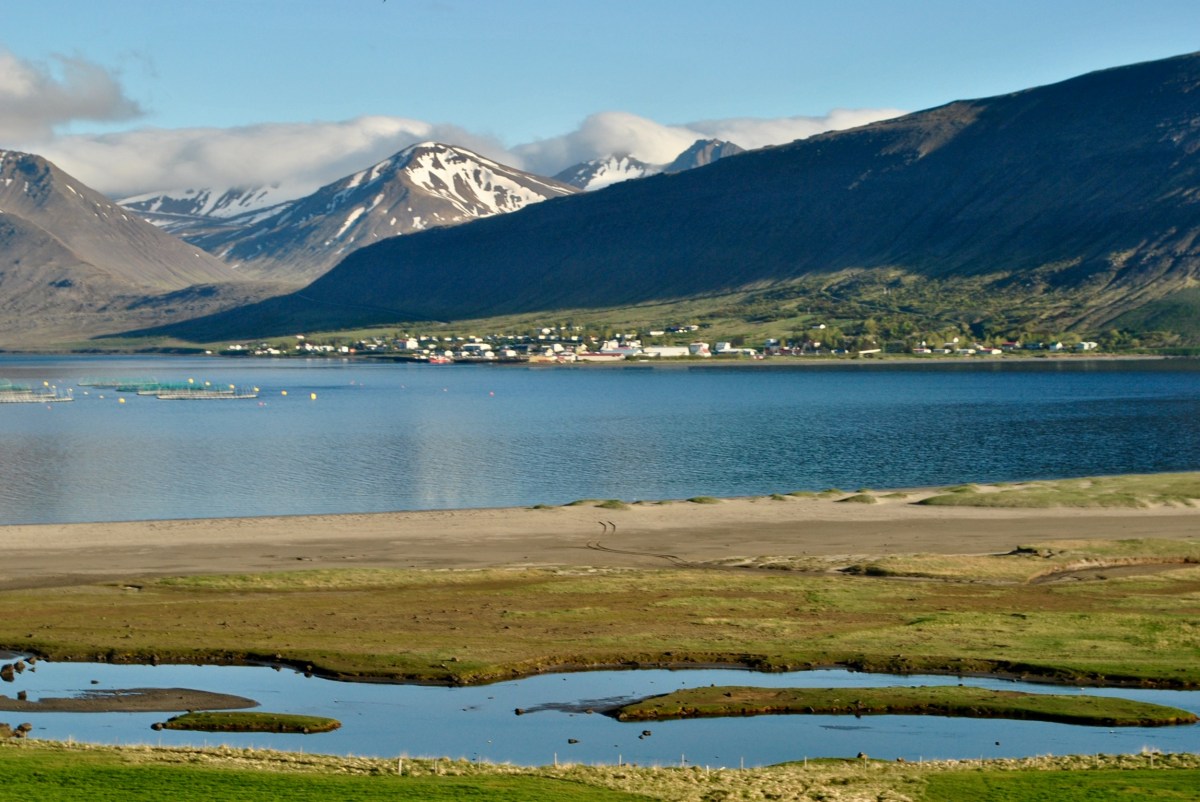
There are some official Viking ruins near Þingeyri, the town across the fjord (Dýrafjörður). Dýrafjörður is also the setting of the Gísli Saga, an ancient legend that involves jilted husbands and bloody retribution among the Vikings who once lived here.
 Devin Leigh Snyder
Adding Gisli saga to my reading list. Your mending walls reminded me of a Frost poem: https://www.poetryfoundation.org/poems/44266/mending-wall
I love your posts. Keep writing. ❤️
LikeLiked by 1 person
This is good writing, and I feel as if I myself am there. Thank you for sharing, Devin. Thank You, LORD, for Devin’s many gifts and talents.
LikeLiked by 1 person
Thank you Mama!
LikeLike
What an absolutely fascinating after dinner trip. I love, love, love historic locations and hearing all about the people and the lives they lived. Wow! The landscape and ocean are breath taking in your photos. Please keep posting. Kids and I are really enjoying reading each one.
LikeLiked by 1 person
Ahh I am so glad! I will certainly try.
LikeLike